I got engaged in Turkey

Friends,
I usually use this letter for business, but this month I have to start somewhere else. I just got back from ten days in Turkey with my girlfriend Amanda.
Cappadocia is famous for its sunrise hot air balloons, dozens of them drifting over a valley of rock towers and caves, so of course we had to book a hot air balloon ride while we were there.
I was there for a few reasons… I wanted to ride in a hot air balloon, I wanted to get a hair transplant (Turkey is world renowned as the best place to get this procedure done), and… I planned to propose to Amanda.
The plan was to propose at the start of the balloon ride, then get a magical balloon ride, spending the rest of the trip celebrating our engagement. As luck would have it, our balloon ride got rained out… two days in a row. Not letting a good trip go to waste, I worked up a backup plan to still be able to propose to Amanda. My backup was a private breakfast the next morning overlooking a gorgeous valley view, decorated and set up for the proposal. And of course, the weather did not cooperate then either, and the hotel canceled that too, with an apology and no other option.
I scrambled to move our balloon reservation to a day the weather would cooperate. When the rain finally cleared, the booking agent told us that because of the weather delays, they had oversold the flight and we were in the group that got bumped. They refunded the money we had paid for our "booking", with a half-hearted apology, and said they just didn't have space for us to ride in the balloons. It was our final day, and we weren't planning to change our flights and hotels just to add one more potential day, so we decided to watch the balloons go up from the ground.
At that point it would have been easy to put my hands up and say we would try again some other time, back in Austin. Luckily, I made a few frantic phone calls, and the photographer we had hired for the proposal came through with a new plan: that same day, we rented a red classic car and drove through the valley to some beautiful spots. On September 29th, in the hills of Cappadocia, I asked Amanda to marry me, and she said yes!

None of it went to plan, but it eventually worked out, and it was still magical. I'm so glad I kept working to get a romantic scene pulled off, because it was a beautiful moment, and now we are engaged!
Now, I know most of you are here for my real estate insights, so I'll try my best to have this post be about real estate as much as my personal life. In an attempt to not be too LinkedIn cringy and talk about how "My engagement gave me insights into B2B SAAS", blah blah blah, I'll do my best to try to tie this into real estate by saying that…
Real Estate Isn't Passive
That balloon booking agent wasn't the first business to promise more than it could deliver.
Nothing gets oversold more than the idea that real estate is passive. Buy it, hand it to a property manager, and forget about it. In my opinion, most property managers can't give a property the same care an owner would, and not because they are bad people. They are playing a different game with different incentives than owners. Their business grows by adding more properties, so their attention gets spread across every property they manage. Growth lets them hire more staff, buy better software, and offer more quality services. The cost for those things is to add as many owner clients as possible, which dilutes the attention any one owner can get. There is just no comparison on the level of care and quality a direct owner can provide. We still use a property manager at one of our properties, because they have the resources for that property to be more effective than our team could be, given its location and size.
The properties we look at that are in the most distress are distressed because owners thought real estate was passive. The hotel I bid on in August belonged to an owner who tried to run it from out of state and ended up handing the keys back to the bank. Most of those distressed properties belong to absentee owners who thought it was as easy as buying a stock portfolio.
That gap is the opportunity to turn their inattention into profitable systems when run well.

Why Austin, And Why Now
I've heard everyone in Austin at some point say some version of "If I had just bought here ten years ago, I'd be rich."
Home values across the Austin metro are about 27% below their 2022 peak, per the Zillow Home Value Index, and multifamily properties in distress are down even more. If you wished you could have bought something in 2016… well, it may be possible right now to buy in the multifamily space for what it sold for in 2016. The reason is simple: Austin over-built. Between 2015 and 2024 it added 120,000 homes and apartments, a 30% jump in its housing stock against 9% for the U.S. as a whole. That much new construction pushed rents down across the entire city. Brand new properties with leasing specials meant that older properties also needed leasing specials just to compete. Combine that with mortgage rates creeping up over 7%, and values of these properties are down considerably as well. I've seen properties trading for less than 50% of their 2022 value if they are currently in distress.
There is a light at the end of the tunnel, though. New construction has dramatically halted; Austin apartment permits are down about 60% from their peak. This slowdown is allowing renters to catch up, and fill the empty units faster than new ones open. In the second quarter, Austin's net absorption (apartments that went from empty to occupied) was about 6,300 units, more than double the roughly 2,900 new units delivered, and vacancy fell from 15.8% in 2024 to about 12.3% now, per Matthews, using CoStar data. Nobody can put an exact date on when the extra supply is fully absorbed, but Colliers expects occupancy to climb back to about 94.6% by mid-2027. Once the empty units fill, I expect rents to start rising again, and real estate values to follow.
It isn't easy, and it definitely isn't passive. But for anyone willing to do the work, this is the window, and I don't think it stays open long.

The Deal We Were Outbid On
Last month I toured a sub-50-unit apartment property in Southeast Austin, in a good location. It was distressed and losing a lot of money on operations. We offered a price to purchase it that was fair to us considering the work it needed and risk of the current state of the Austin real estate market. Turning around a property bleeding cash carries a lot of risk, especially in today's market.
There were other buyers, and the buyer that bid more than us decided that additional risk was worth it at their price. The other buyer may still make a profit on that deal, but I would rather hold out for a deal that gives us breathing room with margin for the unexpected down the road.
Before I make an offer, the numbers have to carry:
- a full budget to fix every piece of deferred maintenance,
- four months of operating expenses and loan payments in reserve,
- a 10% contingency on top of both,
- and a deal that still works if rents and values grow only 3% a year.
Each of those gives us room to make a mistake and still come out ahead.
Since my last letter I reviewed about 33 deals. That Southeast Austin property was the only one where the price was good enough to make an offer on.
Our Current Properties
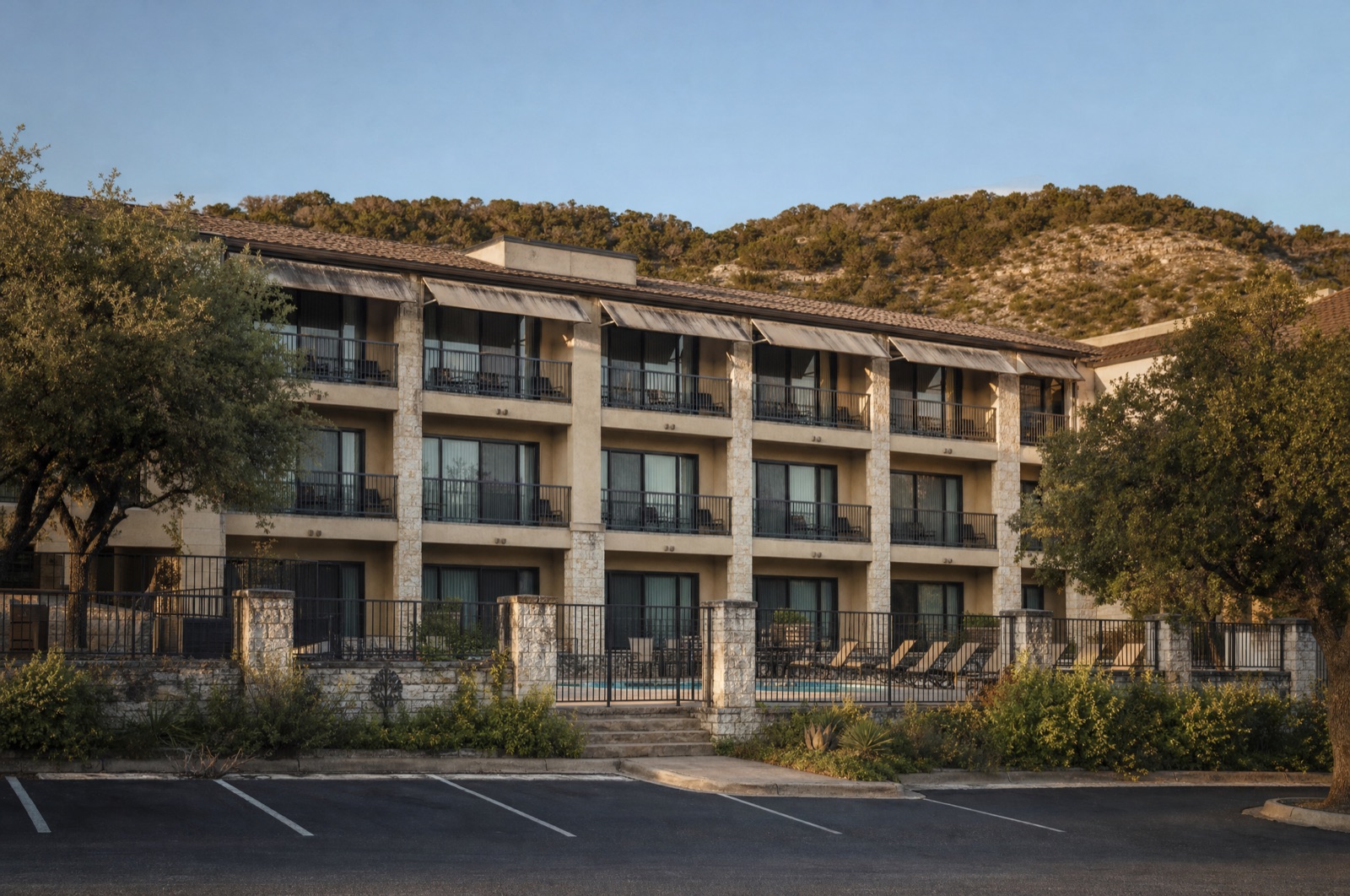
- Starlight Horizon. Our average nightly rate rose to $323 from $255 a year ago. Canyon Lake hit 100% full on July 21 for the first time since 2021 and is still about 98% full. We're continuing to build momentum with this property.
- Harmony Village. We won our property tax protest, which brought the 2026 assessed value below last year's.
- 20 Tate Lane. Nearly full heading into the holidays, with December renewals underway and aiming for rent increases. The website we built for it in September is bringing in tour requests directly.
Why Home Prices Nationally Haven't Come Down
While we were in Turkey, the Casual Finance YouTube channel released a video asking why U.S. home prices keep rising when sellers now far outnumber buyers. It's worth the fifteen minutes.
In August there were about 58% more people trying to sell a home in America than trying to buy one, the widest gap in Redfin's records, which go back to 2013. Prices should be falling. Instead, they have been higher than a year earlier for 38 straight months.
The video's answer is that owners who locked in mortgages around 3% won't trade them for a new one above 7%, so they don't sell. Research from the Federal Housing Finance Agency estimates that between 2022 and mid-2024 this lock-in kept 1.7 million homes from selling, and that it pushed prices up more than higher rates pushed them down.
The next buyer pays for it. The typical first-time home buyer is now 40 years old, a record; in the 1980s it was someone in their late 20s. A typical family would have to spend about 38% of its income on the monthly payment for a typical home, well past the 30% most people consider the limit, and a Federal Reserve staff study estimates that help from parents accounts for about 27% of homeownership among young households. Every one of those would-be buyers still needs a place to live, and a lot of them are renting.
On September 16th the Federal Reserve raised rates for the first time since 2023. I could be wrong on the timing, but while they are raising rates now, I suspect that at the first sign of real trouble in the economy, the Fed will cut rates fast and push money back into the system, the same way it took rates to near zero in 2008 and again in 2020. Every time it does, each dollar buys a little less.
My trip to Turkey shows where that road can lead. In January 2018, a dollar bought about 3.8 Turkish lira. In October 2026 it bought about 49. Turkish inflation peaked above 85% in October 2022 and is still running near 30%. Families there protect their savings the way they have for generations: they buy gold, and they buy real estate. The U.S. isn't Turkey, and I'm not predicting that here, but it shows what people reach for when they stop trusting their currency.
What We Are Looking For
We're always looking at properties: 20 to 80 units, $2M to $6M, value-add or stabilized, within an hour of Austin, multifamily, boutique lodging, or a cashflowing business. If one crosses your desk, pass it along.
Ryan Tanel
Keep reading
- I bid on a $10M hotel
Thirty deals reviewed, a bid on a hotel the bank took back, and why I'm rethinking the five year exit.
- Clean books beat flattering books
A record booking quarter, a bad debt cleanup, a phishing attack, and what fixing the booking path taught us about paid ads.