Clean books beat flattering books

Friends,
Starlight Horizon just posted the best booking quarter in its history: 703 nights, up 58% over last year, with June running 66% occupancy against 40% a year ago. Here is the quarter across our properties, and what it taught me.
Harmony Village, Gonzales, TX. 32 units.

We closed the quarter at 96.88% occupancy with a single unit vacant. Underneath that, four things landed in the same ninety days. Three residents moved out back to back. Two of those units needed real renovation before they could be re-rented, which held them empty while the work got done. Insurance proceeds from an earlier pipe claim ended. And I wrote off a backlog of bad debt.
That last one is mine, and it gets its own section below.
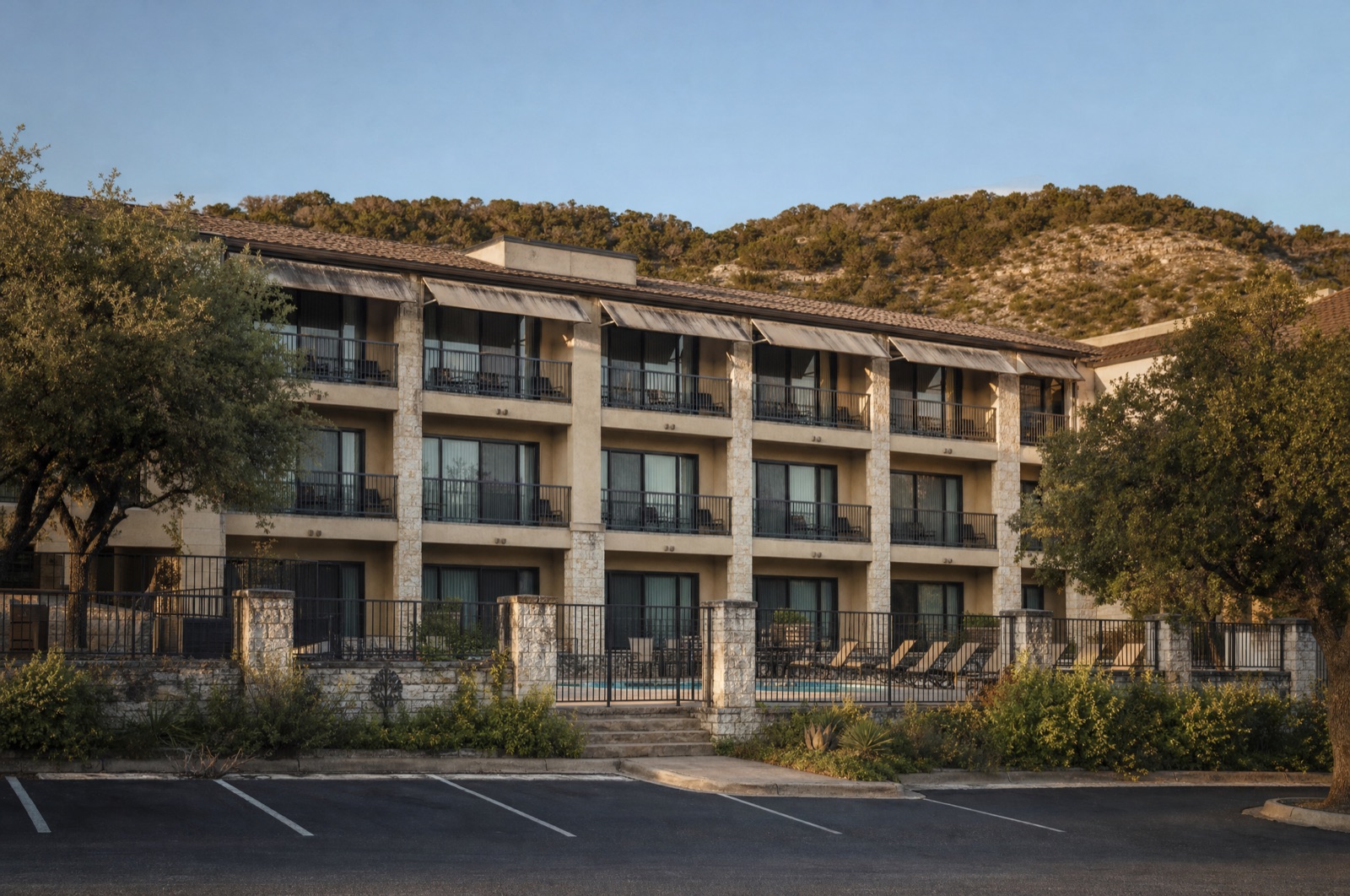
Starlight Horizon, Canyon Lake, TX. 14 cabins.

Nights booked hit 703, up 58% from 445 a year ago. Occupancy ran 55% against 35%.
This was also a deliberate stretch of double labor cost while we hired a general manager, converted the cleaning crew from commission contractors to hourly employees, and brought on a full-time maintenance technician. Roughly four capable people now cover what two covered before, at about the same total labor cost.
We raised nightly rates about 8% across the quarter and demand held. July closed the quarter pacing at 184 nights on the books against 90 at the same point last year.
20 Tate Village, Round Rock, TX. 30 homes.

I'm co-general partner here with Brian Donahue of Aperture Capital Partners, and Brian leads day-to-day operations, so I will keep it high level. Physical occupancy slipped from 97% in March to 90% in June, and nearly all of that traces to vacancy rather than pricing. Rents moved the right direction underneath it. Average in-place rent rose from $1,685 to $1,719 as legacy $1,450 leases roll into the $1,595 to $1,790 range, and we renewed insurance in April about 16% cheaper.
Clean books beat flattering books
As I was learning our accounting software at Harmony, small unpaid resident balances were not being written off the books the way they should have been. Each one was negligible. Together they added up. I chose to recognize the whole amount in one quarter so the books are correct going forward rather than carry an error a little longer.
That write-off is the single line that turned a good operating quarter at Harmony into a weak one on paper. I could have kept recognizing those balances a few at a time and smoothed the number out across the next year. Nobody reading a quarterly report would have caught it.
I would make the same call again. An operator who lets the books drift toward flattering is an operator whose reporting you cannot use for anything. The numbers this quarter are the real ones, and everything after gets measured off a clean line.
That principle costs something in a quarter like this one. It is worth more than the quarter.
We got phished in May

An attacker got into our booking platform at Starlight Horizon. Every staff account was already on two-factor authentication and it still worked, which tells you how sophisticated these have become. We were not singled out either. The same campaign was running against operators across the industry on the same platform, and a number of them were hit in the same window.
We contained it in a couple of days and were back to normal operations. No damage to revenue, and no guest data taken.
The part I would do exactly the same way again is what happened in the first few hours. We told our guests before anyone had to ask us, while it was still unresolved and still embarrassing. What came back was gratitude rather than alarm, and getting to them early is the reason it never got out of hand.
The instinct in that moment is to stay quiet and hope it stays small. That instinct is wrong every time. The cost of telling people early is one uncomfortable email. The cost of telling them late is the relationship.
The marketing lesson: fix the path before you buy the traffic

Starlight ran its first paid advertising this year and the results were instructive in a way I did not expect.
The cold acquisition campaigns did not work. Cold Meta ads spent $2,558 and brought back 39 cents in bookings per dollar. TikTok spent $1,115 and produced zero tracked purchases. We cut daily Meta spend from $49.60 to $10 and paused TikTok entirely. Warm retargeting to people who had already visited performed genuinely well, in the range of five to six dollars in bookings per dollar spent after deduplication.
What actually moved revenue cost nothing. A display bug on the booking engine was showing pricing wrong, and fixing it roughly doubled site-to-purchase conversion. We turned on abandoned cart recovery and it saved a $1,066 booking within a day. We found a broken form connection that had been silently dropping group and wedding inquiries, which meant we had been paying to generate leads into a bucket with a hole in it. Direct website bookings went from 7 in April to 9 in May to 14 in June.
The lesson generalizes past hospitality. Most operators respond to weak revenue by buying more traffic. The cheaper move almost every time is to walk your own conversion path yourself and find where you are leaking the demand you already paid for.
How we actually run this now

The reason we caught the booking engine bug, the broken form, and the accounting drift is not that I got smarter. It is that I rebuilt how the business is operated.
Every property, deal, and decision now lives in one system I can query directly, and I have built tooling on top of it that does the work that used to sit in a queue waiting for me. A first-pass underwrite on a multifamily deal that took the better part of a day now takes under an hour. Marketing performance across analytics, ad platforms, email, and the booking system gets reviewed every single week against the prior week's changes, rather than quarterly when it is too late to act. Last week our analytics and our booking platform reconciled to the cent for the first time, which means I can finally trust which marketing dollars produce which reservations.
None of that is the interesting part. The interesting part is what it changes about the job. The constraint on a small portfolio has never been ideas, it is attention. Bad quarters usually are not caused by one large mistake. They are caused by six small things nobody looked at for ninety days. The entire point of the system is that far fewer things go unlooked-at now.
What we are buying, and why it is taking so long

We are actively looking at multifamily, hospitality, and operating businesses. We have not bought anything, and here is why.
The gap between what sellers believe their asset is worth and what actually pencils is still wide. There is real distress in this market, but distress alone does not make a deal. It makes a seller who is under pressure and still anchored to a 2021 valuation. Until that anchor breaks, most of what crosses my desk is priced for someone else's math, not ours.
So this is a needle in a haystack search, and I expect it to stay that way for a while. I would rather report a boring quarter of no acquisitions than explain an expensive one later.
The underlying market is moving in the right direction in the meantime. Austin absorbed a record 7,979 units in the second quarter, the strongest quarterly gain ever recorded in that market. Construction starts over the past year came in at 2% of existing inventory, the lowest share since 2011. The supply wave that has pressured Central Texas rents since 2023 is behind us. For owners of well-run, well-located properties, the next twelve to twenty-four months should bring improving fundamentals.
Ryan Tanel
Keep reading
- I got engaged in Turkey
A proposal that went wrong three times, why real estate is never passive, and why Austin's overbuilding is the opportunity right now.
- I bid on a $10M hotel
Thirty deals reviewed, a bid on a hotel the bank took back, and why I'm rethinking the five year exit.