I bid on a $10M hotel
Friends,
I'm getting better about sending monthly updates about my life, what I am working on, and where I see value in the market. Expect these letters to come monthly from me for now. Mostly to share what I am seeing, ask what you are seeing, and have a conversation about the best ways we can be excellent stewards of capital, excellent operators, and raise each other up through actions taken for the benefit of everyone we come in contact with.
Now for the numbers, and what they represent.
I reviewed thirty deals last month between multifamily, hotels, and small businesses. I ran numbers on fourteen, signed nondisclosure agreements for five, fully underwrote four, and submitted written offers on two. Neither of those offers got accepted, and that is expected.
My acquisition filter is intentionally strict, and I only offer a price that would make the purchase an excellent deal for us. Most of my offers get turned down because sellers look at our valuation and would usually rather hold out for potentially higher future prices than settle for what we offer. That's just the reality of today's market. Sellers who can afford to wait are waiting. Those who cannot afford to wait create the opportunity for great deals.
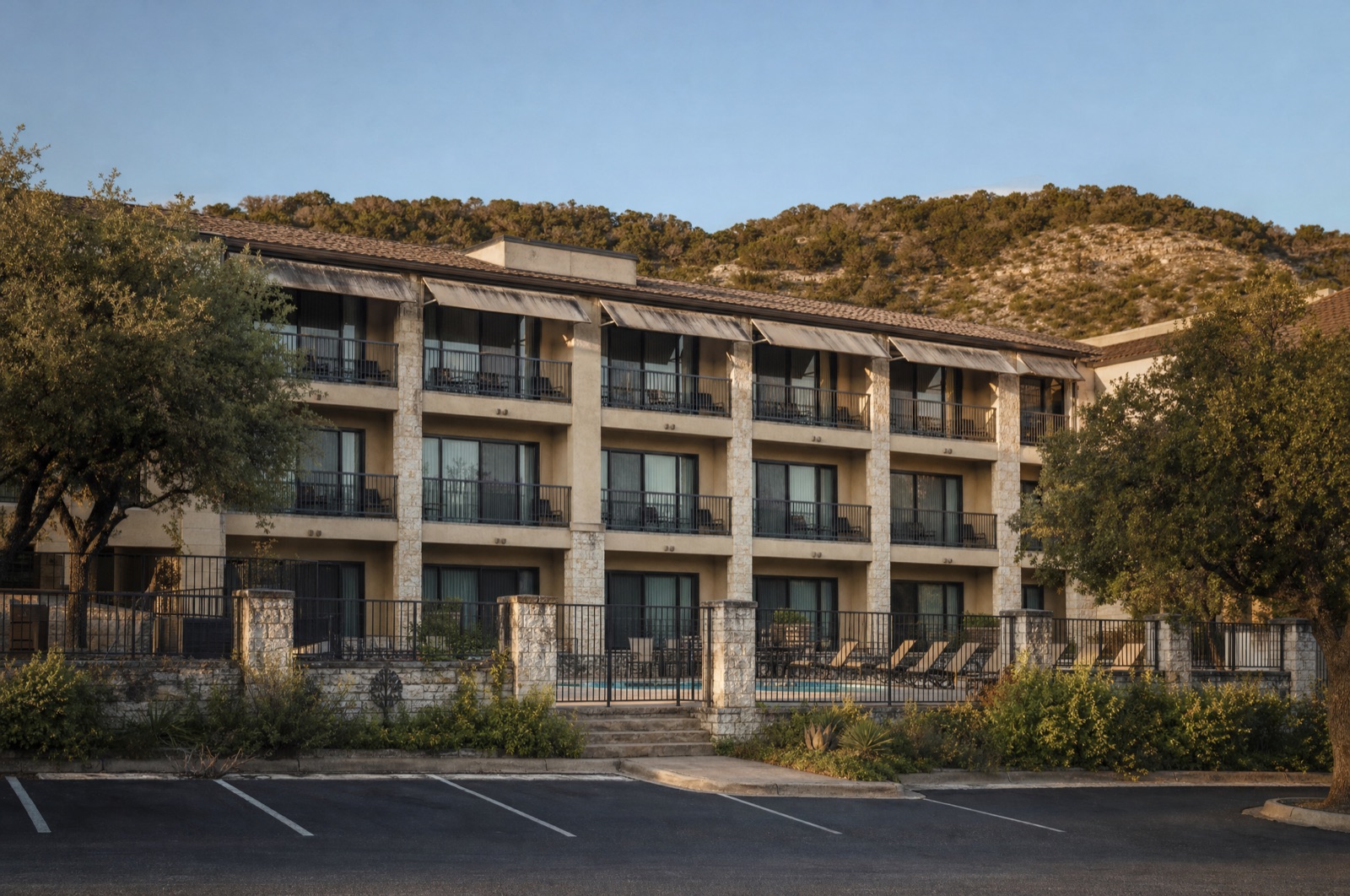
I was the second highest bidder on a hotel that traded for $10M+ in 2021
And I only bid $3,025,000.
Case in point. In 2021 someone paid north of $10 million for a hotel near my other existing hotel, backed by an $8.7 million loan. The 2021 owner was inexperienced, thought it would be a passive investment, and tried to run it from California. They bled too much cash and eventually had to give the keys back to the lender in 2025. It needs a lot of work. Deferred maintenance, updating operations, marketing, a top to bottom redesign, not to mention about another $1M of capital to do it right. I was up for the task, but only at the right price. It only made sense to pursue if I could get it for $3,025,000, and so that is what I offered. Only a third of what it was worth in 2021.
I sent the offer in, and got a call from the broker that we were the second highest bidder (and in his eyes the most capable of closing and running it correctly). Unfortunately for us, the bank rejected every single offer and decided to keep holding the non-performing asset. Maybe the lender thinks they can take an asset that is bleeding cash and make it more profitable in the future, but in my experience, banks are not the best real estate operators, so improvement is unlikely. When the pain of financial loss gets to be more than the bank can stand, they will eventually have to sell it for whatever the market will pay, and we'll be ready and waiting when that day comes.
I've been rethinking the five year exit
Most real estate syndications operate on a five year time horizon. Buy, renovate, hold for five years, sell, pay taxes, repeat. I've underwritten dozens of deals that way, but my conviction is shifting, and this video put words to it better than I had.
Families who build and preserve multi-generational wealth rarely exit great assets. They refine operations, let the asset compound, and pull liquidity through a refinance when it makes sense rather than through a sale. Selling breaks the compounding engine, triggers a tax event you never get back, and surrenders a permanent cash flow stream. The line that stuck with me is that selling is the worst thing you can do with an asset that's working.
Beyond taxes, a strict five year exit forces you to rely on a cap rate nobody can guarantee. I can control unit quality, operating expenses, and occupancy. I cannot control debt markets or buyer appetite five years from now. A cash flowing long term hold removes that market timing risk.
That's where my head is right now. Here is how that philosophy is playing out across our current properties.
Harmony Village

August brought strong revenue, but an HVAC replacement and the unit 19 buildout absorbed most of the month's profit. That is the raw reality of real estate ownership. Sometimes unexpected repairs eat your profits. The good news is that Harmony Village has a 3.75% interest rate fixed on a 15 year balloon. In today's rate environment that debt is a major asset in itself, and selling would mean giving up irreplaceable leverage to chase uncertain spreads elsewhere.
Starlight Horizon

We are treating Starlight Horizon as a ten-year hold. Building direct booking channels, a real reputation in the market, and tight operating systems takes time to bear full fruit. Selling early just transfers that upside to the next buyer before we have had the benefit of capturing it ourselves.
20 Tate Lane

To support this long term approach, we've brought our website and marketing work in house. We launched a custom site for 20 Tate Lane to capture direct resident leads and track where our traffic comes from, replacing a single page that did neither. We are rolling this out across the portfolio to cut outside marketing costs and own the capability ourselves.
What We Are Looking For
We're always looking at properties: 20 to 80 units, $2M to $6M, value-add or stabilized, within an hour of Austin, multifamily, boutique lodging, or a cashflowing business. If one catches your eye, pass it along.
Ryan Tanel
Keep reading
- I got engaged in Turkey
A proposal that went wrong three times, why real estate is never passive, and why Austin's overbuilding is the opportunity right now.
- Clean books beat flattering books
A record booking quarter, a bad debt cleanup, a phishing attack, and what fixing the booking path taught us about paid ads.